Over the course of six decades, Bona de Mandiargues developed a practice that blended dream imagery, sensuality and ancient symbolism with an imagination rooted in the material reality of ordinary objects. Though she moved within the orbit of major twentieth-century movements, she maintained a critical, playful distance, infusing her work with humour, evident both in her choice of unconventional materials and her characteristically ironic titles. After moving to France in the late 1940s and marrying the writer André Pieyre de Mandiargues, she came under the influence of Surrealism. Later, towards the middle of the 1950s, partly as a result of her frequent travels to Italy, she shifted towards the aesthetic paradigm of Art Informel, which emphasised paint as an autonomous language, prioritising materiality and texture over representation.
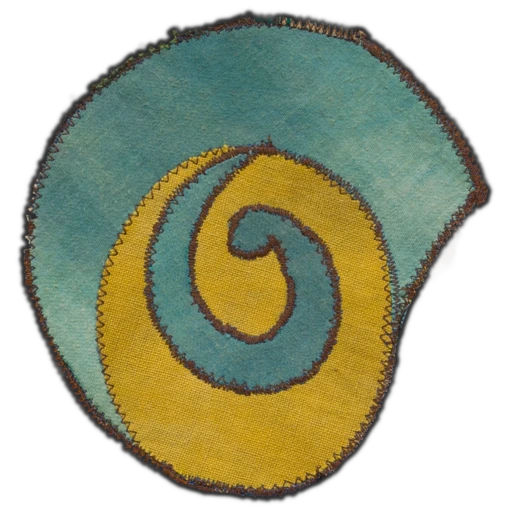
In 1958, she began transforming earth-toned fabrics, black seams, and hair-like threads into imagined landscapes and figures, making tearing and stitching central to her practice. Initially, she glued textile fragments onto old canvases. By the late 1960s, however, her technique became more structured. Using a sewing machine – a gleaming Pfaff she treated almost like a prized motorcycle – she meticulously stitched together small, brightly coloured fragments gathered from her home and from lithographers in the Marais district, who used such cloths to clean ink from printing stones.
Alongside her textile practice, Bona continued to paint, descending into her unconscious like Orpheus – not simply to recover the vital force necessary to endure suffering, but to return with an awakened consciousness capable of illuminating it. In the early 1970s, the ‘woman-snail’ emerged as a central motif in her work. ‘I’ve been a snail all winter. Will you follow me to the very bottom of this spiral?’ she asked visitors in the little catalogue of her exhibition at Galerie 3+2 in May 1970. In her autobiography she remarked: ‘Constantly torn between the desire for escape and the protective need to remain enclosed, I have long envied the snail’s privilege of carrying its house on its back. The snail and the spiral became symbols of her attempt to reconcile opposing forces: high and low, inside and outside, light and shadow, masculine and feminine.
In every medium, Bona’s work asserts a personal, poetic vision and a strong erotic energy. Ultimately, her work can be seen as a sustained act of persistence: a refusal to be confined, and a continuous effort to transform inner tension into form, language and creative vision.
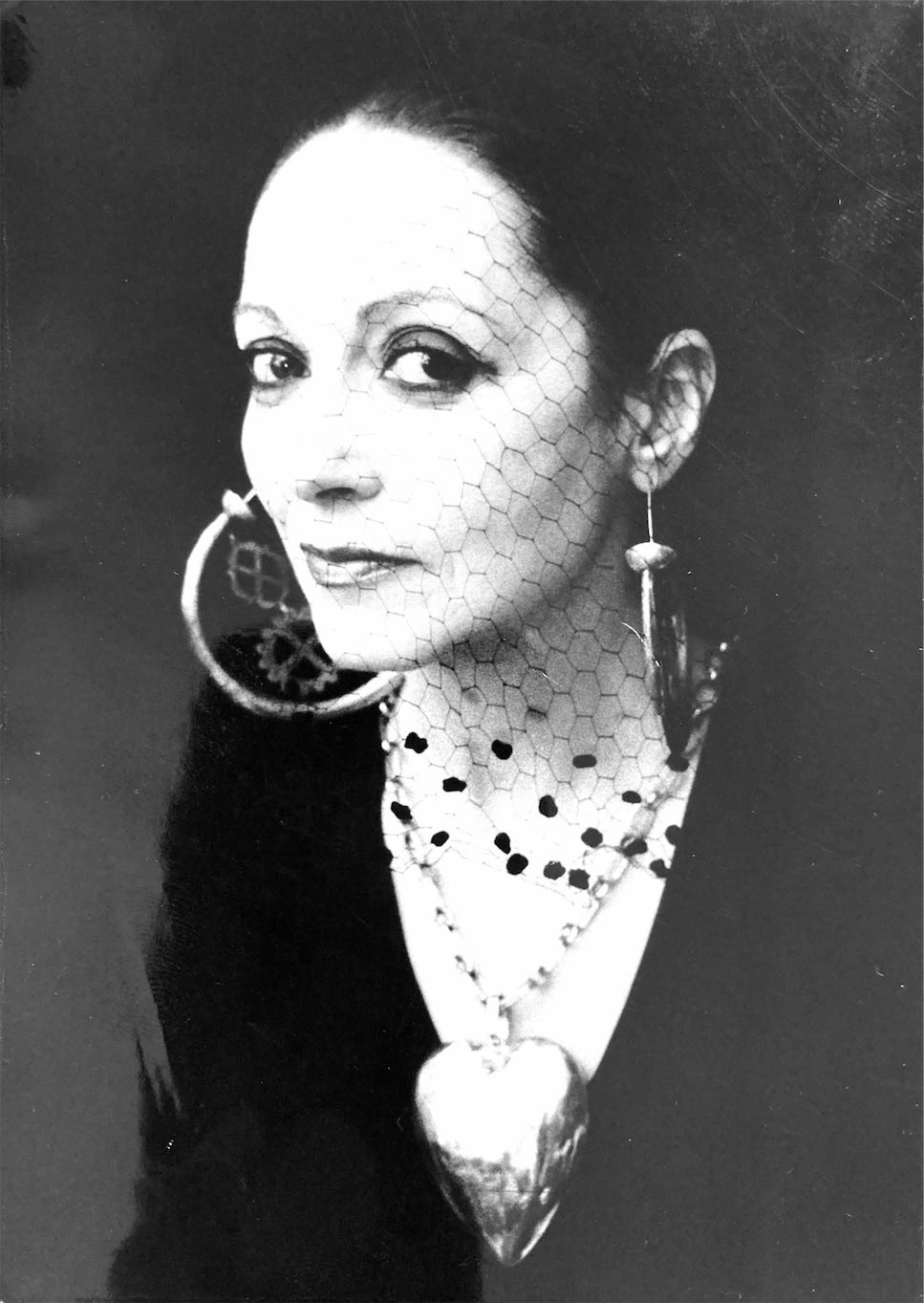
Timeline
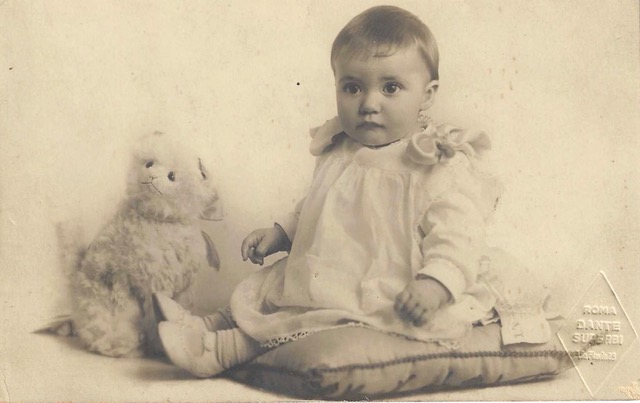
1926
Bona Tibertelli is born on September 12 in Rome to a father from Ferrara and a mother from Venice.
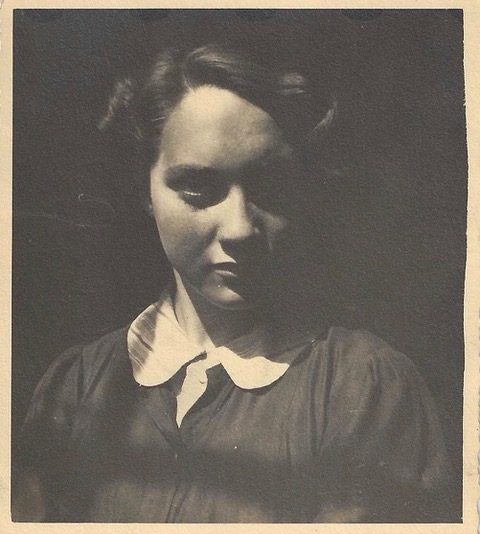
1939
She enrolls at the A. Venturi Art Institute in Modena. Meanwhile, she works in a granary converted into a studio, where she collects a jumble of unusual objects.
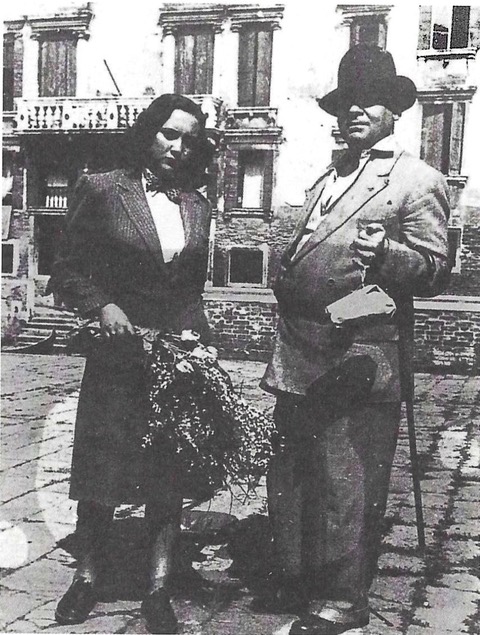
1946
She joins her uncle Filippo de Pisis in Venice, where she attends the Academy of Fine Arts and moves in artistic and intellectual circles. Travelling with him, she discovers Italian painting, from Giotto and the Sienese and Ferrarese schools to Giorgio de Chirico.
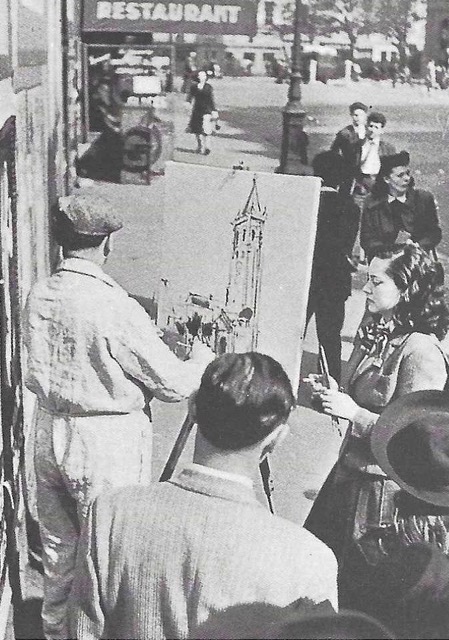
1947-1948
She stays in Paris with de Pisis. She meets André Pieyre del Mandiargues, who introduces her to the Surrealist circle.
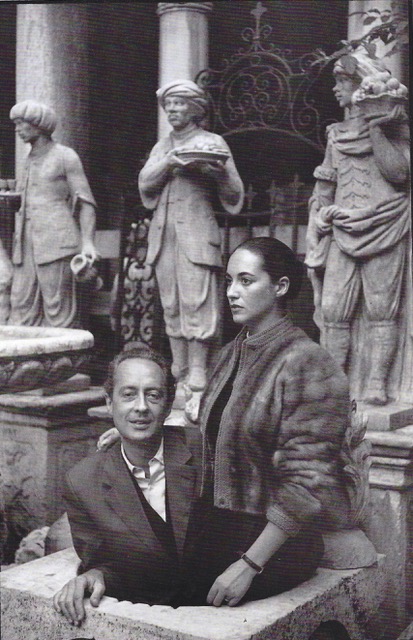
1950
She marries André and moves to Paris.
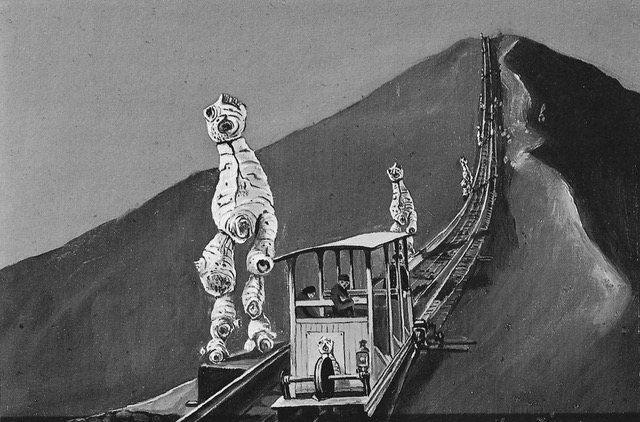
1952
First solo exhibition in Paris, at Berggruen, where she exhibits a series of paintings featuring fantastical and dreamlike figures.
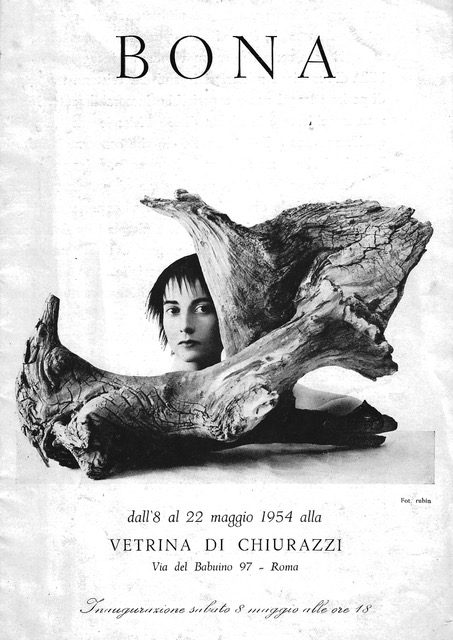
1953-1954
She continues to exhibit in both Italy and Paris, with solo shows curated by Giuseppe Ungaretti, Gino Severini, and René de Solier. She exhibits in a group show with the Surrealists at the Étoile Scellée Gallery.
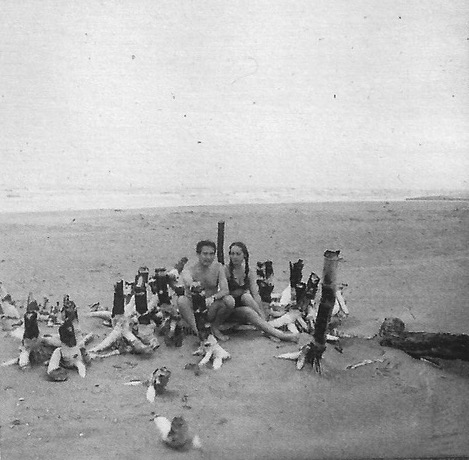
1958
At the invitation of Octavio Paz, she travels to Mexico with André for four months. There she exhibits at Antonio Souza’s Gallery. She meets Leonora Carrington, Wolfgang Paalen, Alice Rahon, the collector and painter Alvar Carrillo Gil, and other leading figures in the local cultural scene. She creates her first assemblages of torn and sewn fabrics.
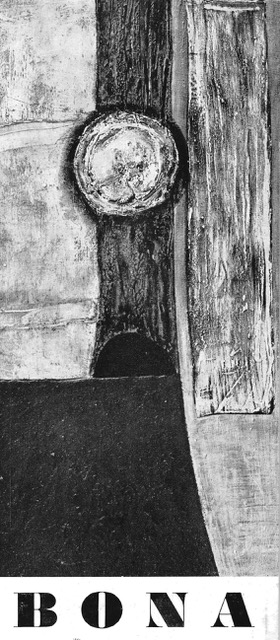
1959
While in Venice for an exhibition at the Fondazione Bevilacqua La Masa, she performs a striptease at La Fenice during the premiere of Luciano Berio’s Allez-hop. She participates in the Exposition internationale du surréalisme at the Galerie Daniel Cordier.
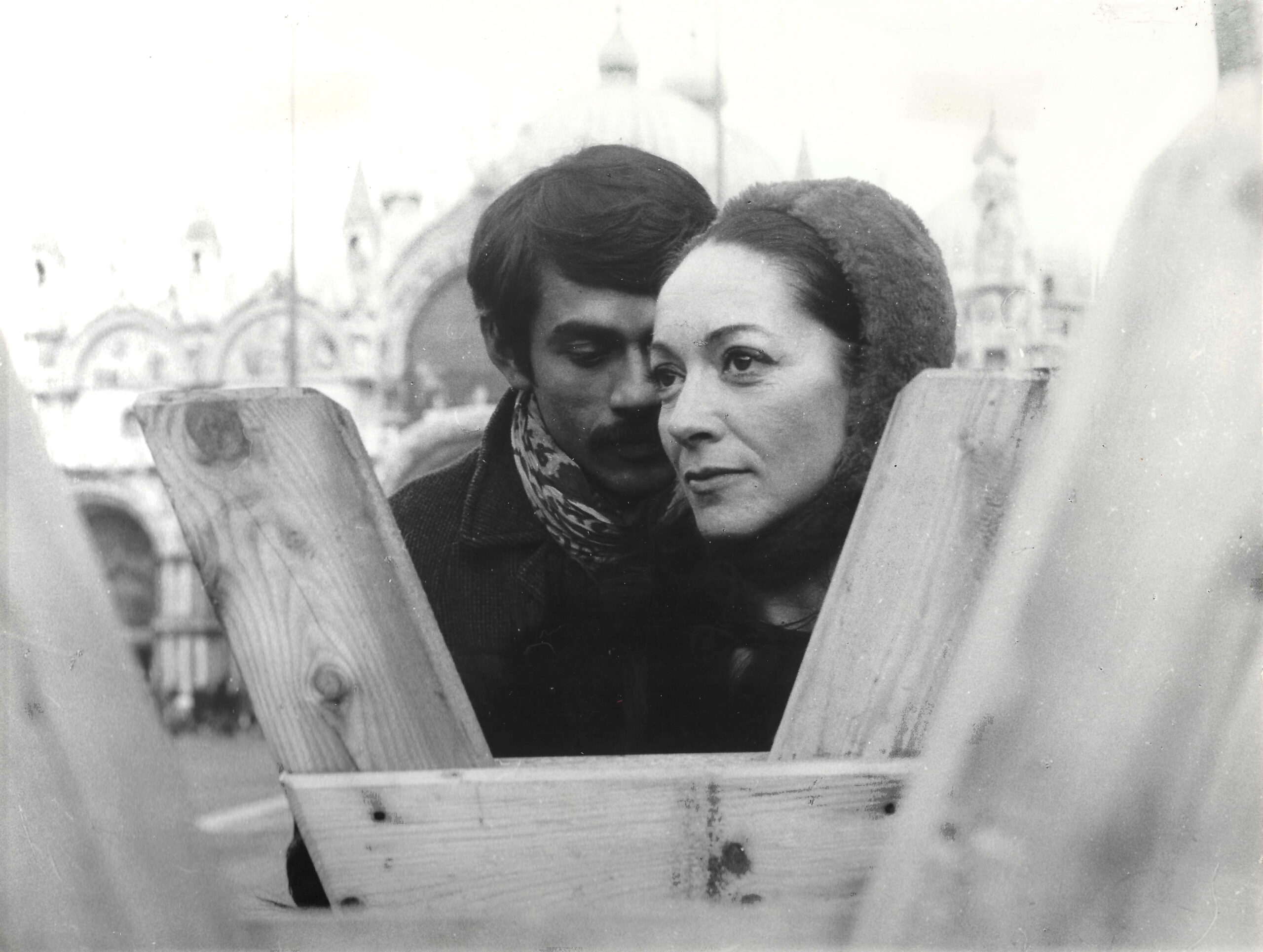
1960-1961
She divorces André and moves in with Octavio Paz, with whom she has been in a relationship for some time. In March and April, she moves to New York to establish contacts within the American art scene. She becomes involved with the young Mexican painter Francisco Toledo and works to promote his art in Paris.
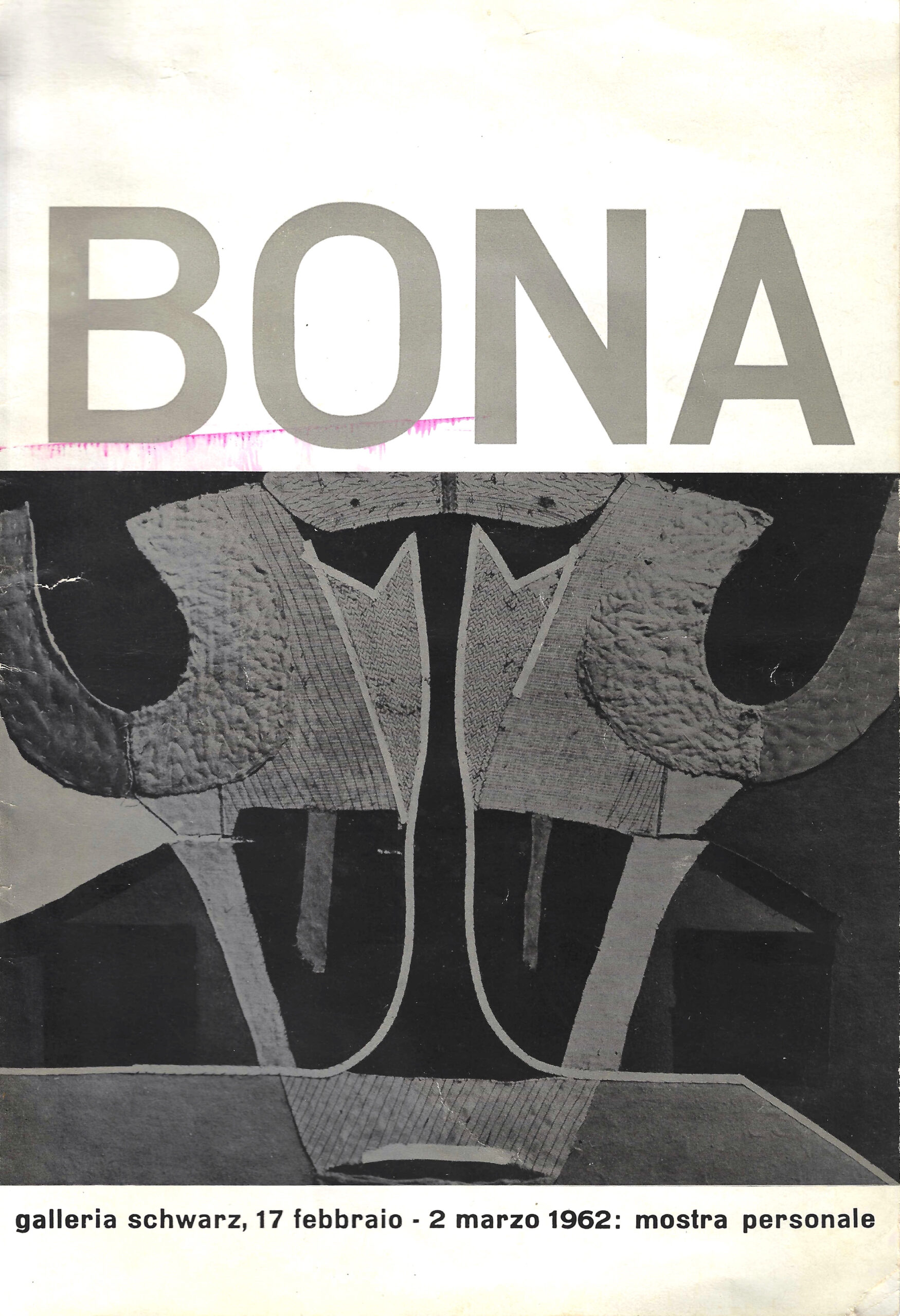
1962
Exhibitions in Milan at Arturo Schwarz and in New York at the Knapik Gallery. She travels with Toledo to Mallorca, but the young man’s violent behaviour prompts her to return to Paris.
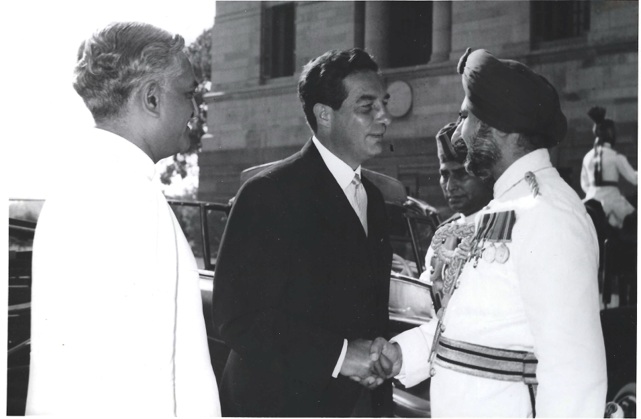
1963
Yielding to the insistence of Paz, who has been appointed ambassador of Mexico to India, she joins him there. Her stay lasts from January through June, travelling throughout the country, as well as in Nepal and Afghanistan.
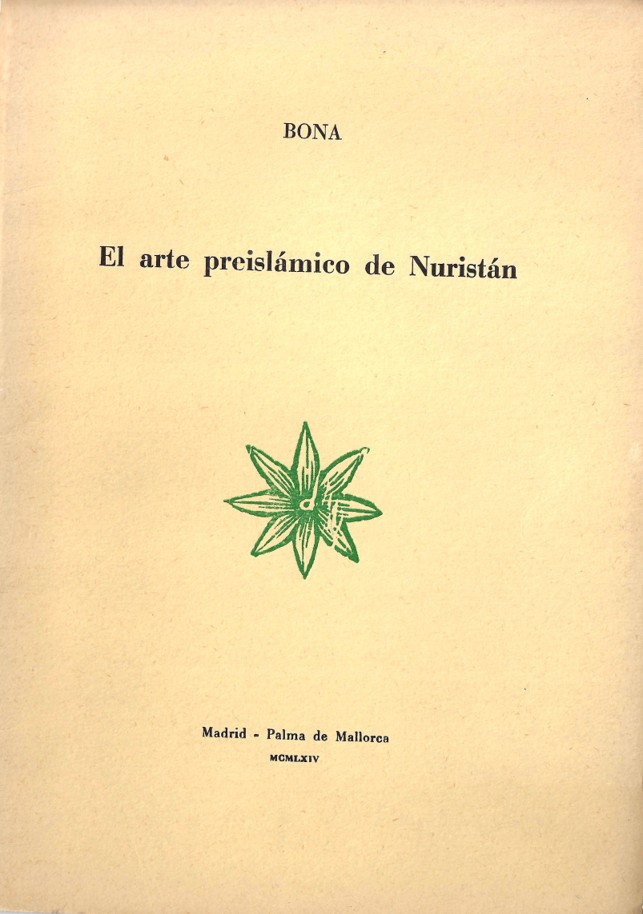
1964
An essay of hers on the ancient sculptures of Nuristan is published in Camillo José Cela’s magazine Papeles de Son Armandans. She participates in the exhibition Le Surréalisme: sources, histoire, affinités at the Galerie Charpentier.
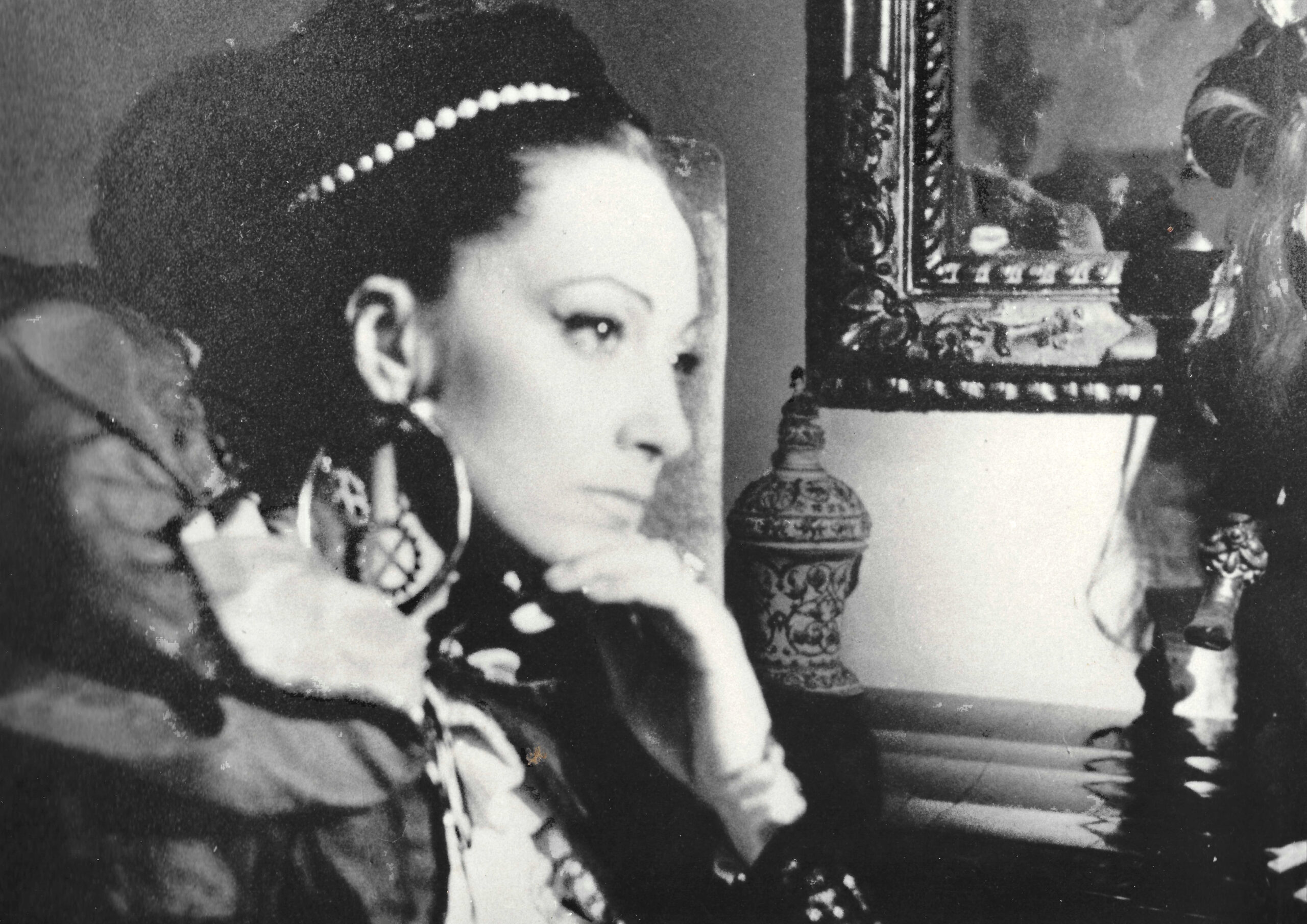
1965
She plays herself in Jean-Marie Drot’s TV movie Retour à Venise ou Le portrait de Bona.
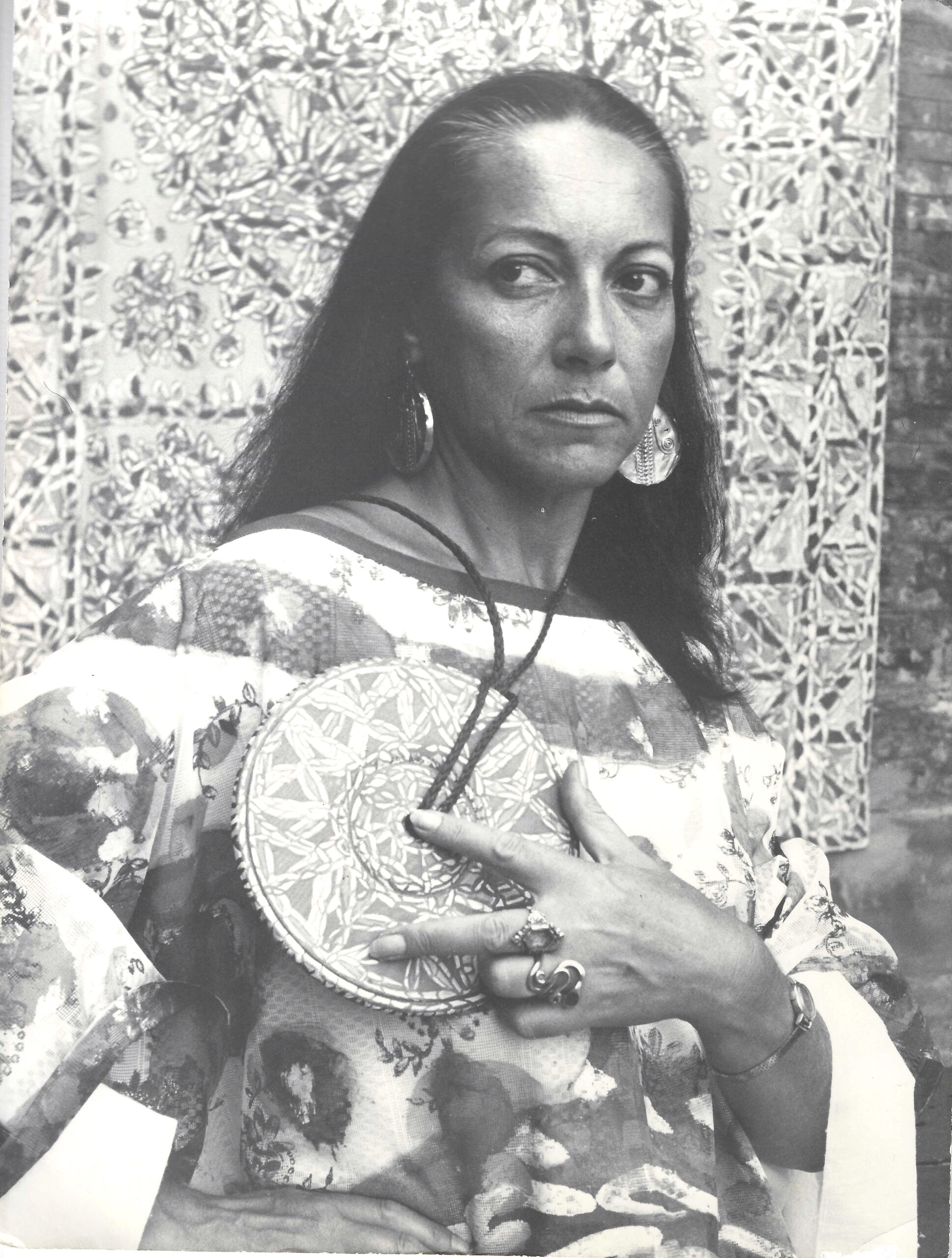
1966
Another stay in Mexico and an exhibition in Mexico City. The rekindling and subsequent breakup of her relationship with Toledo inspire her to write the fantastical short story La Cafarde.
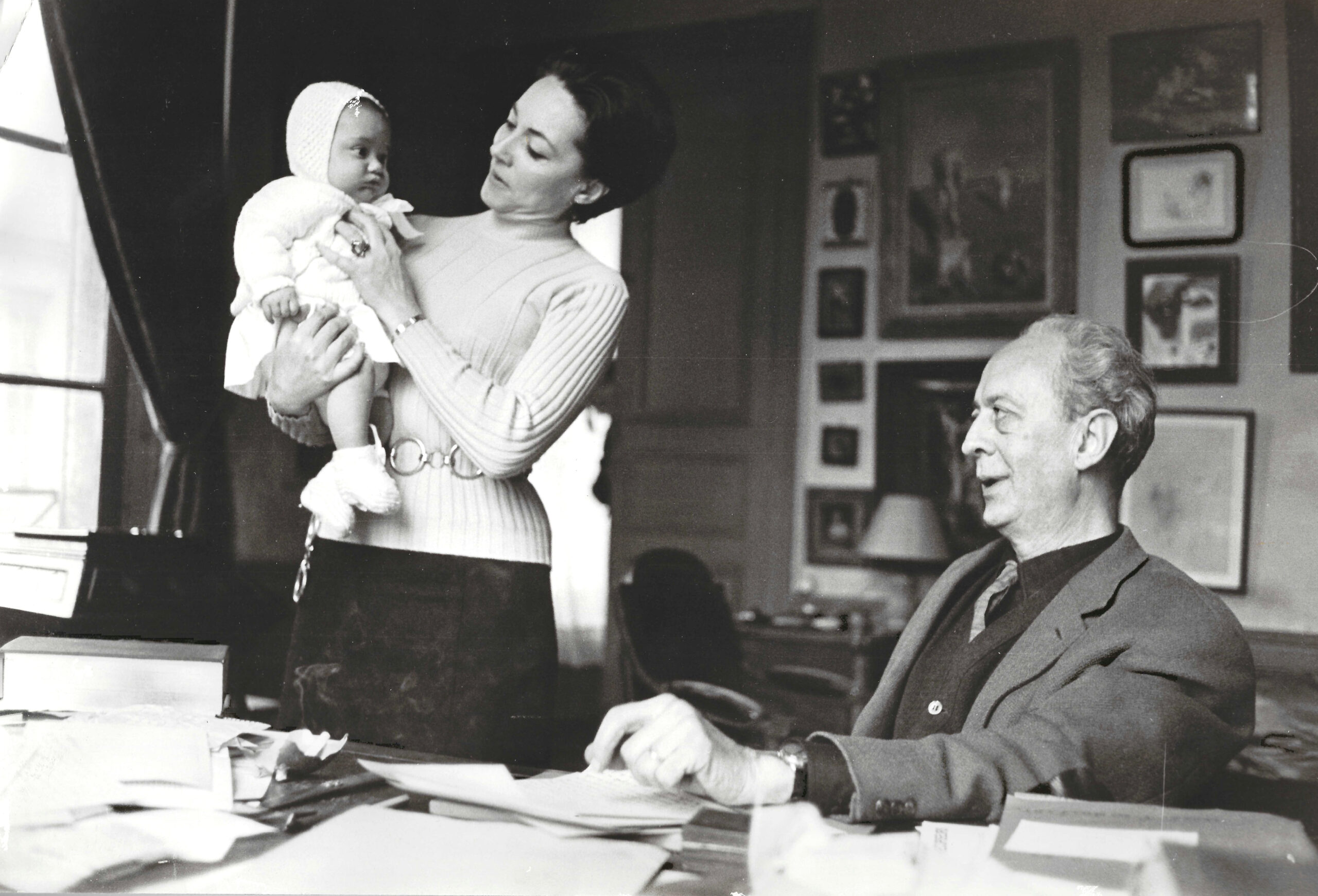
1967
She remarries André. On July 24, their daughter Sibylle is born. She begins to show signs of depression and psychological distress.
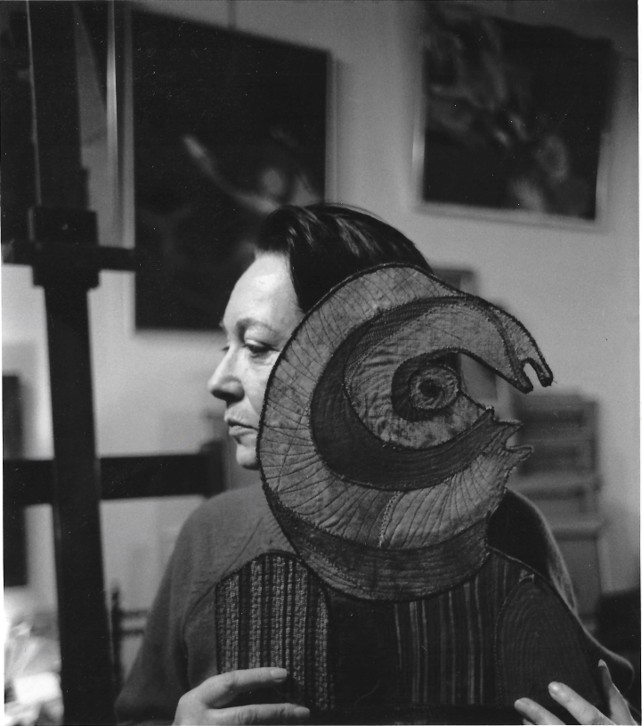
1969-1970
She slowly resumes her activity. In May 1970, she presents her new body of work—centered on the Femme-escargot—at the Parisian gallery 3+2.
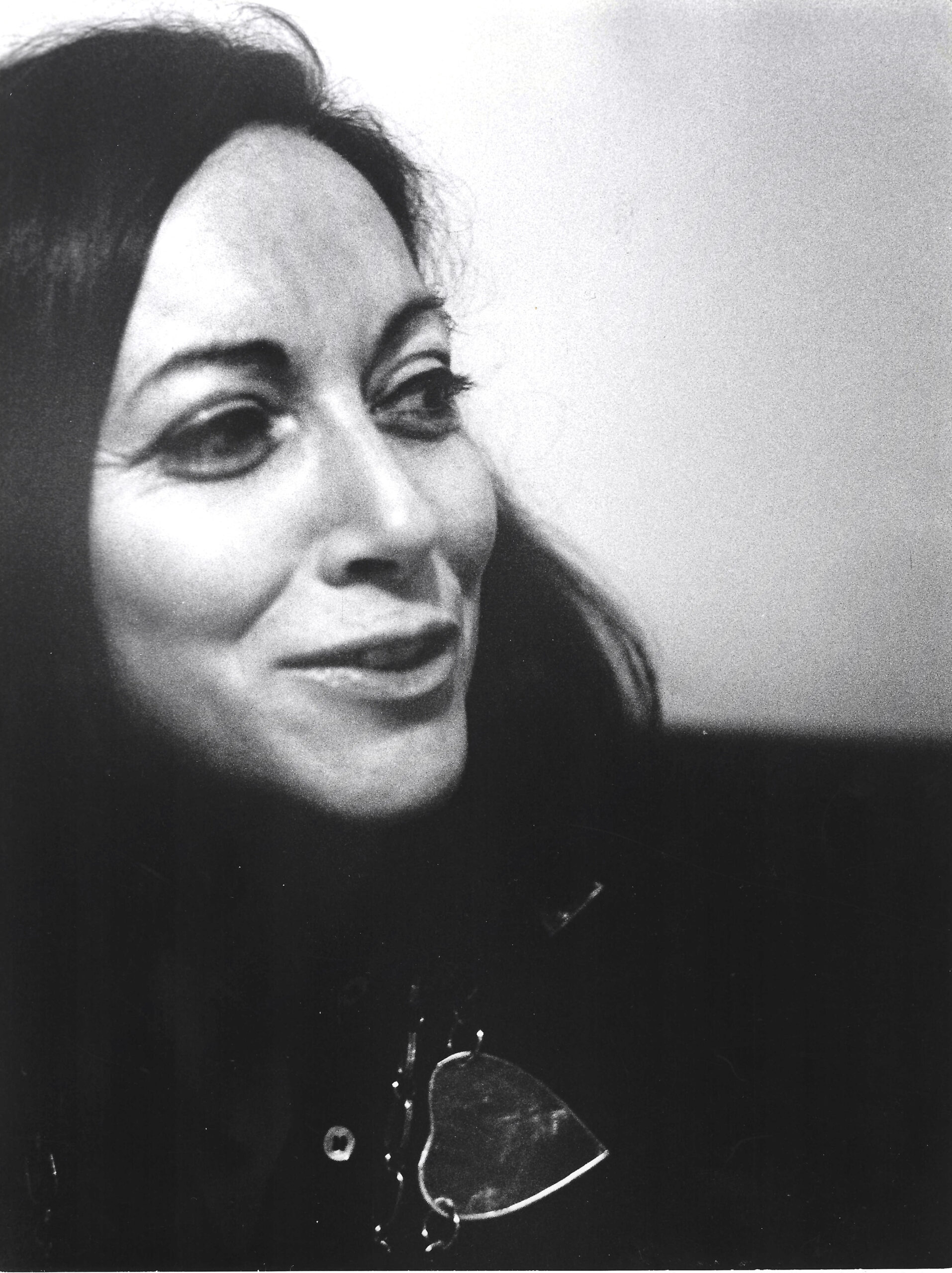
1972
For the exhibition La Table de Diane, she creates decorative objects for the historic ultra-luxury company Christofle.
1973-1974
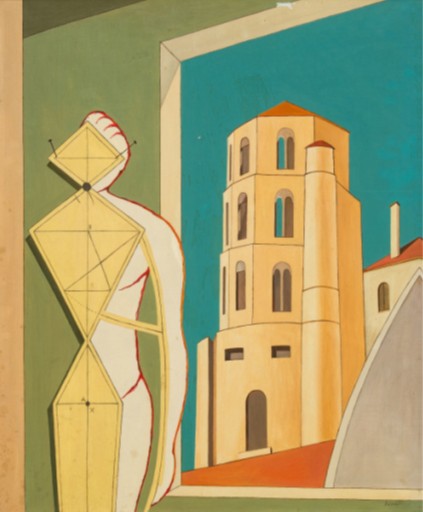
She reworks the lessons of Metaphysical Art and Surrealism in a new series of paintings; in some of these, dedicated to the theme of the couple and the family, Serafino, her androgynous alter ego, appears.
1975
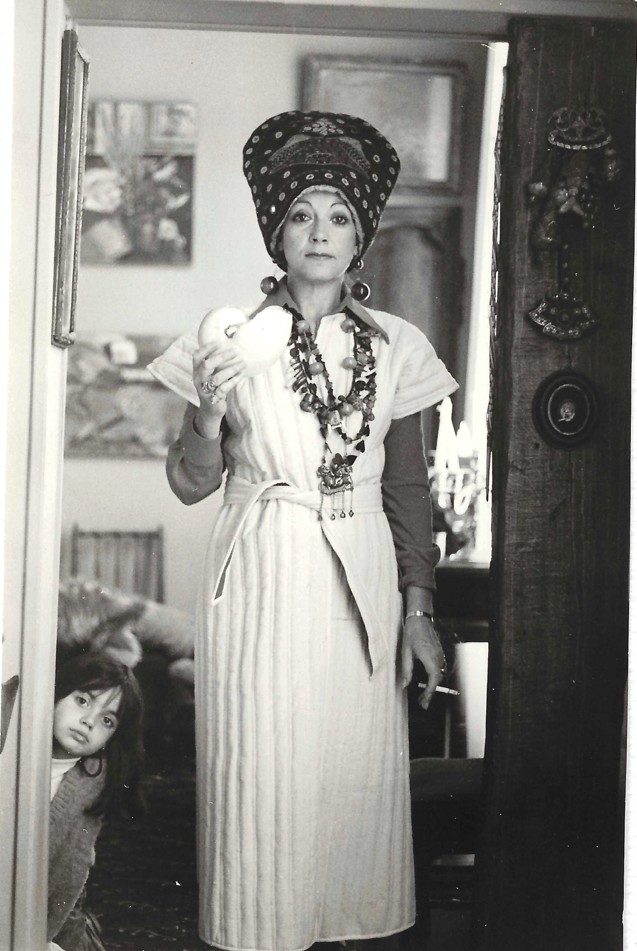
Her erotic drawings are the focus of Walerian Borowczyk’s short film Escargot de Vénus.
1976
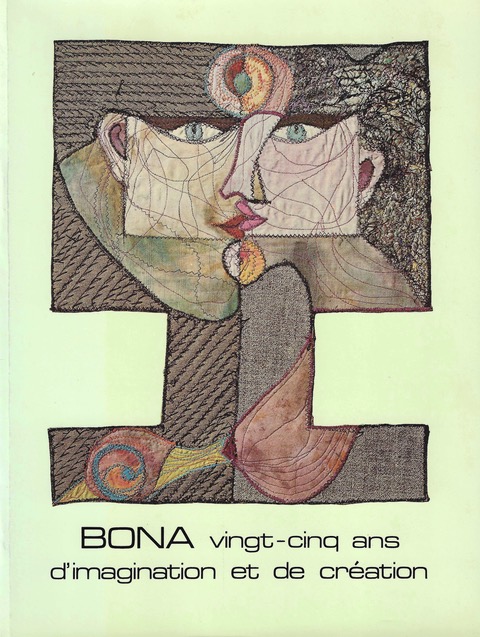
A major retrospective at the Galerie de Seine in Paris traces twenty-five years of her artistic career.
1977
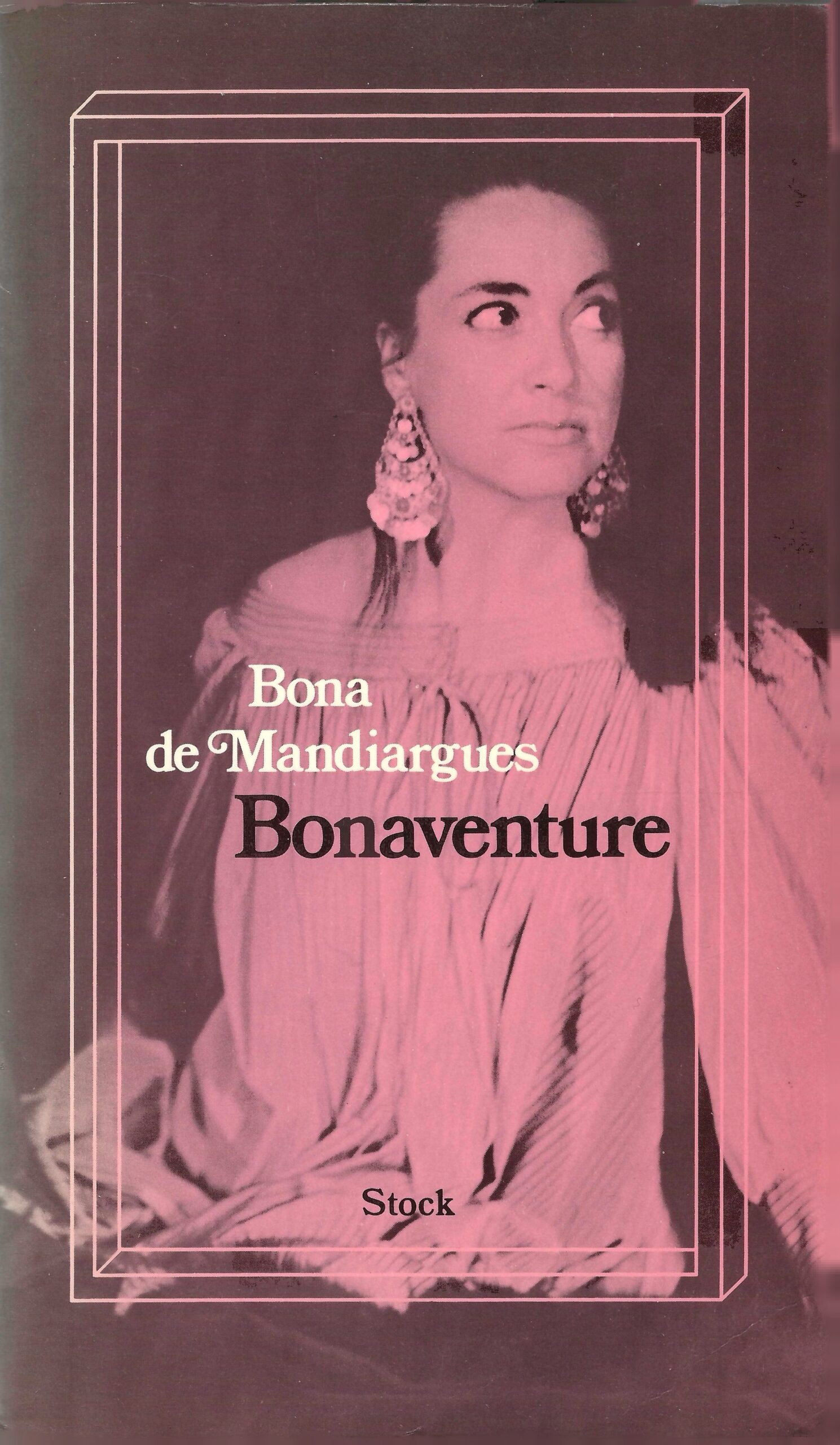
She publishes Bonaventure, an autobiography in the form of an alphabet book.
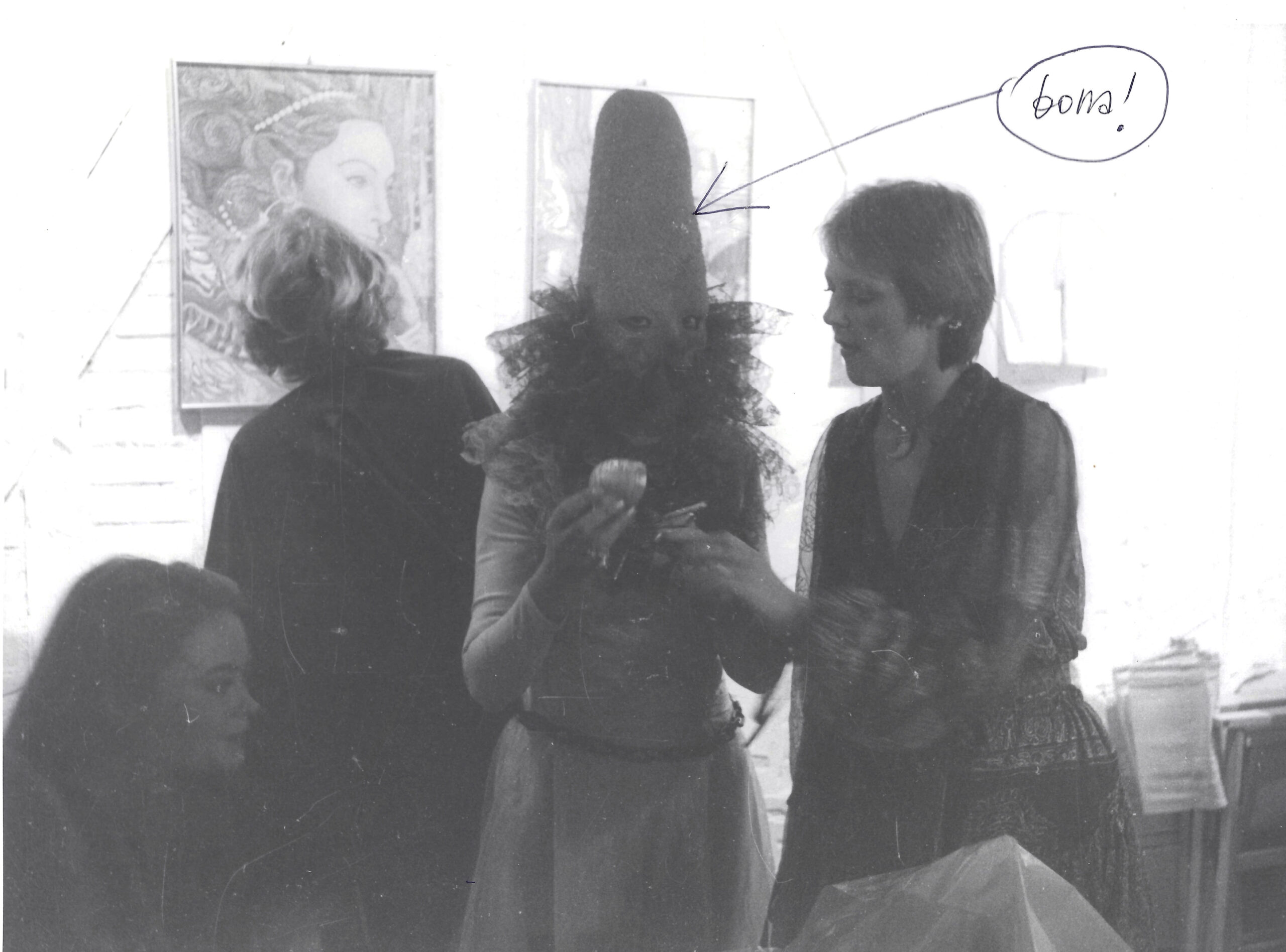
1978
Exibition in Paris, Idylles Fabuleuses - Dessins érotiques, Galerie Sylvie Bourdon
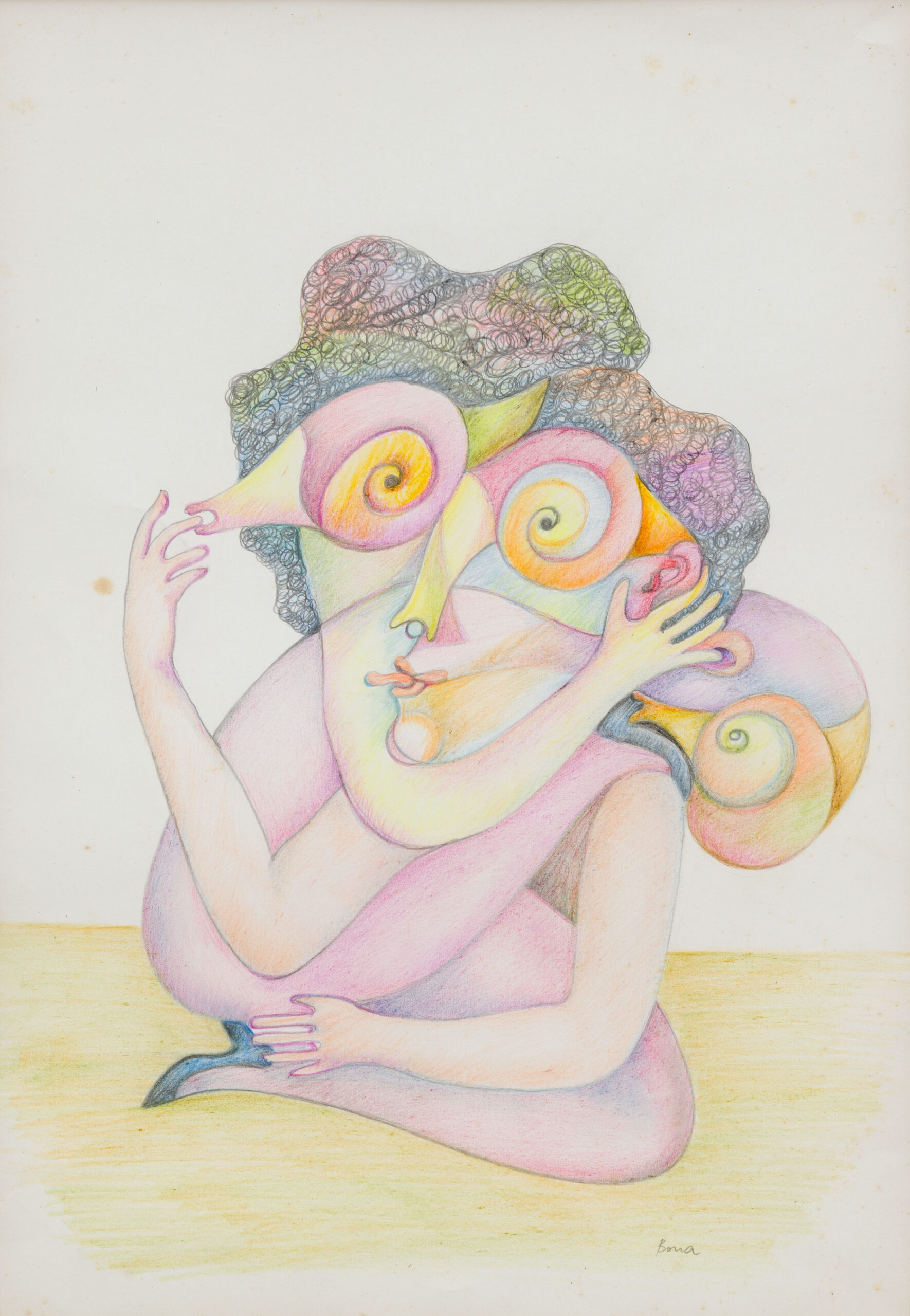
1979
First exhibition in Japan, at the Aoki Gallery in Tokyo.
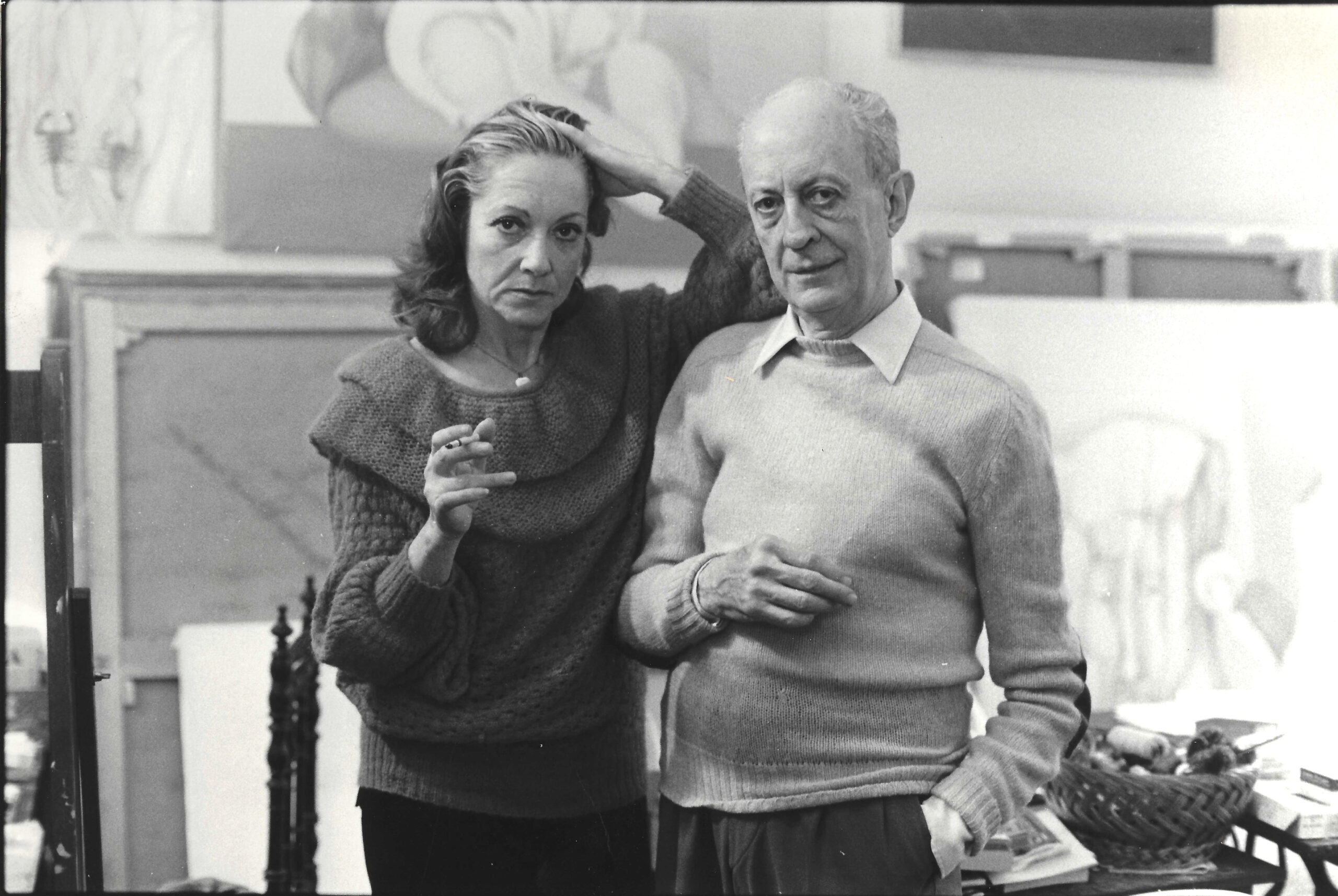
1982
After a period of inactivity, she resumes work on a new series of assemblages and paintings.
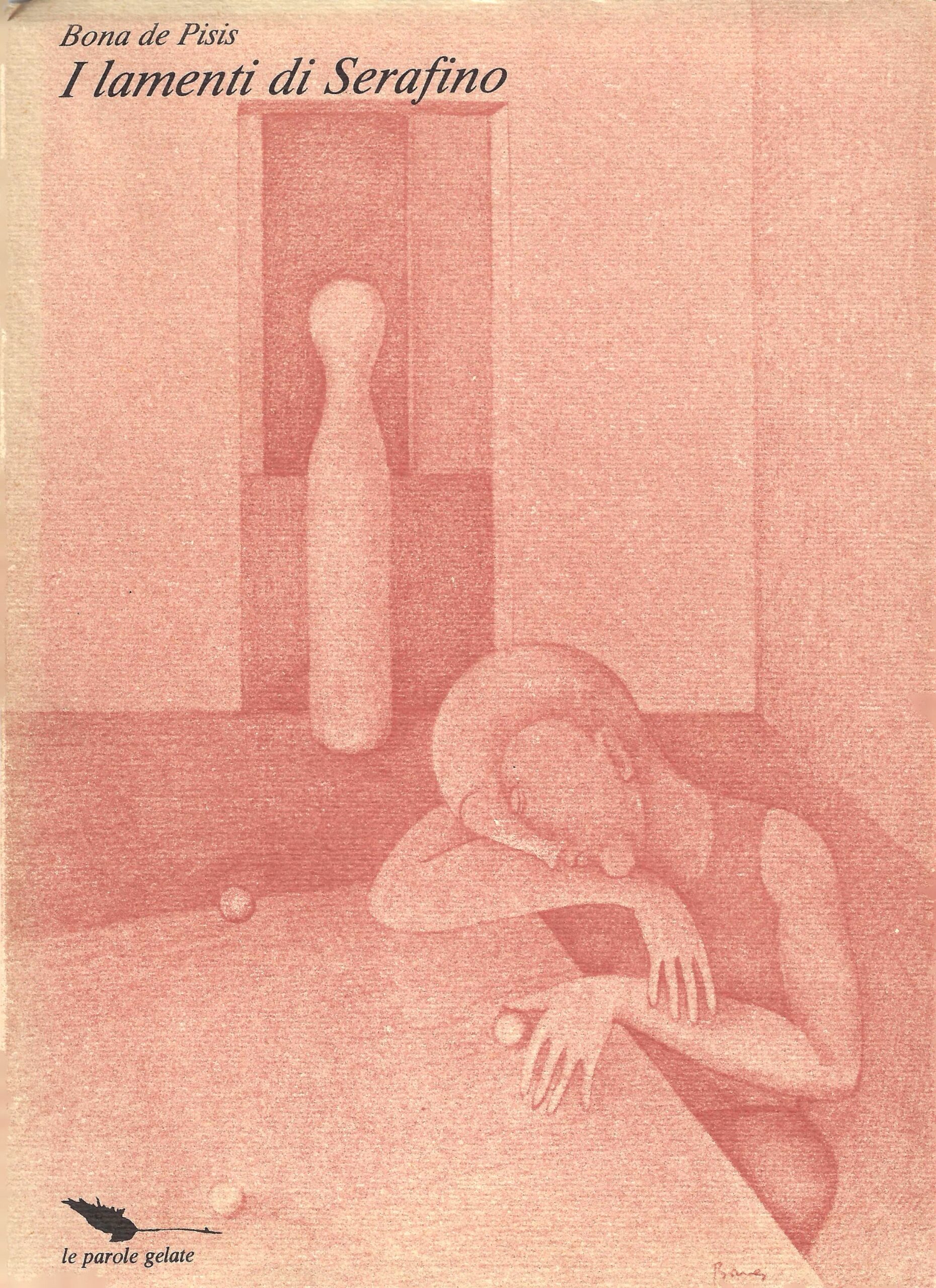
1985
She publishes the poetry collection I lamenti di Serafino.
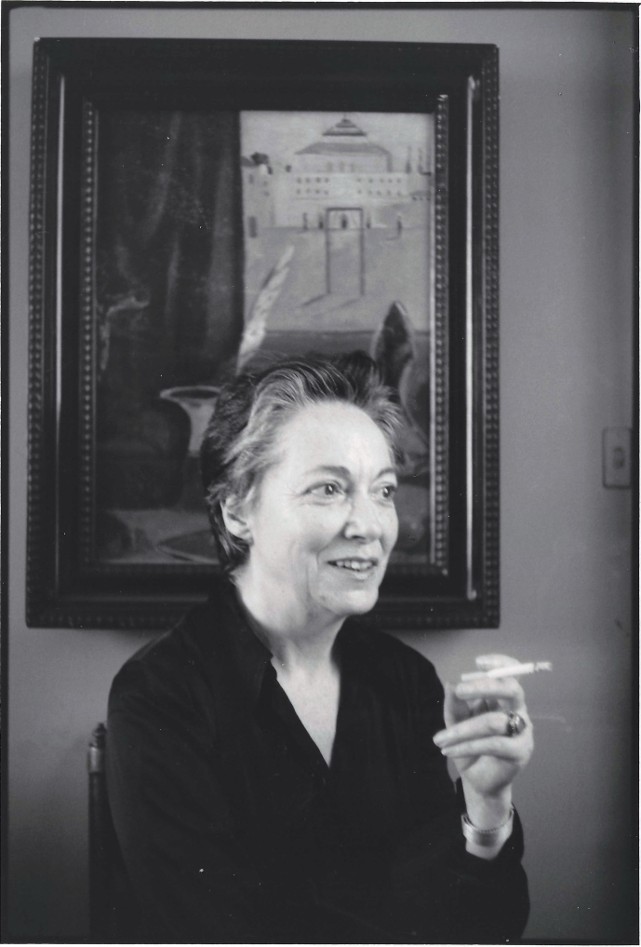
1986–1990
She alternates between phases of frenetic activity and long periods of withdrawal into herself.
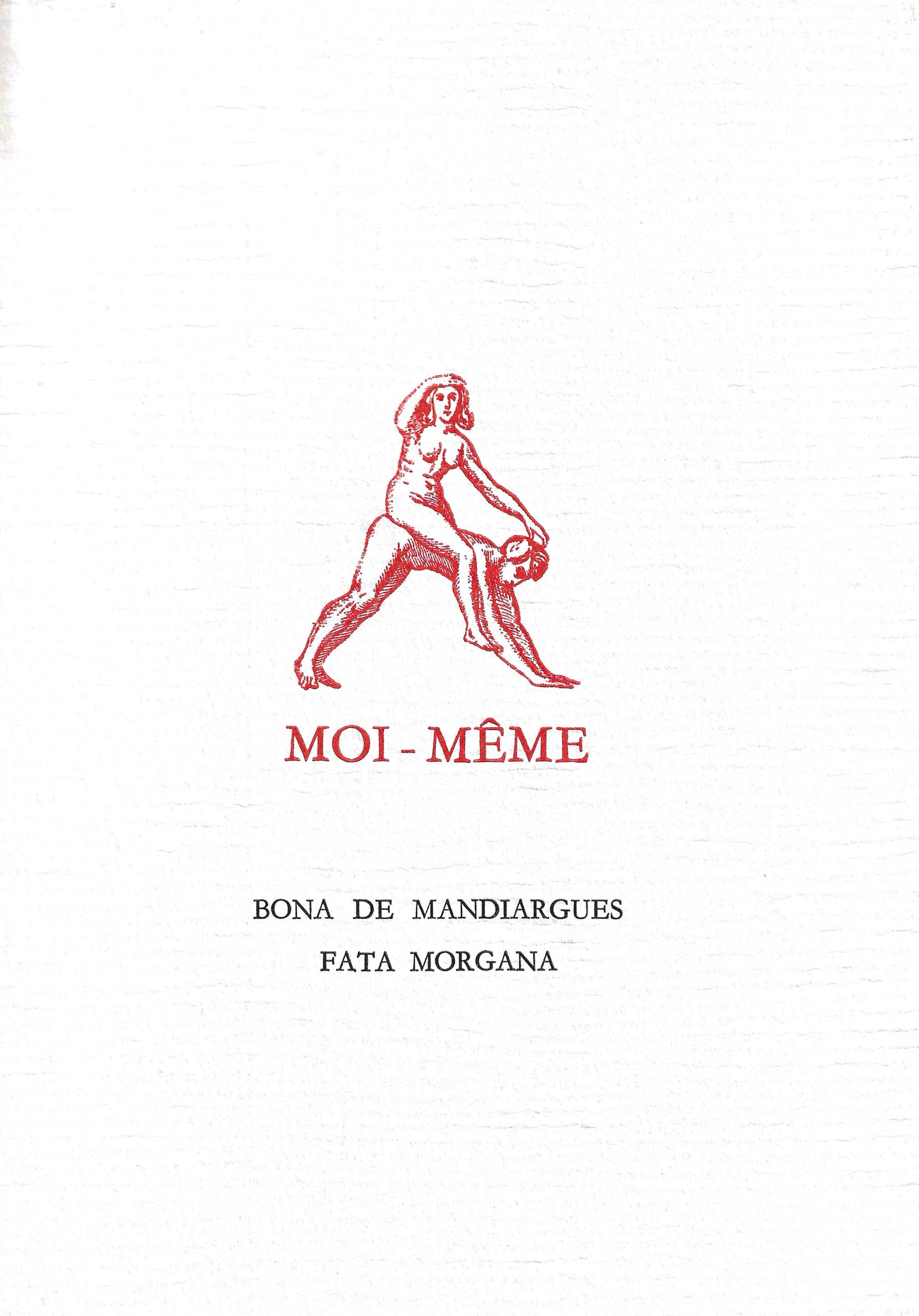
1988
She publishes the poetry collection A moi-même.
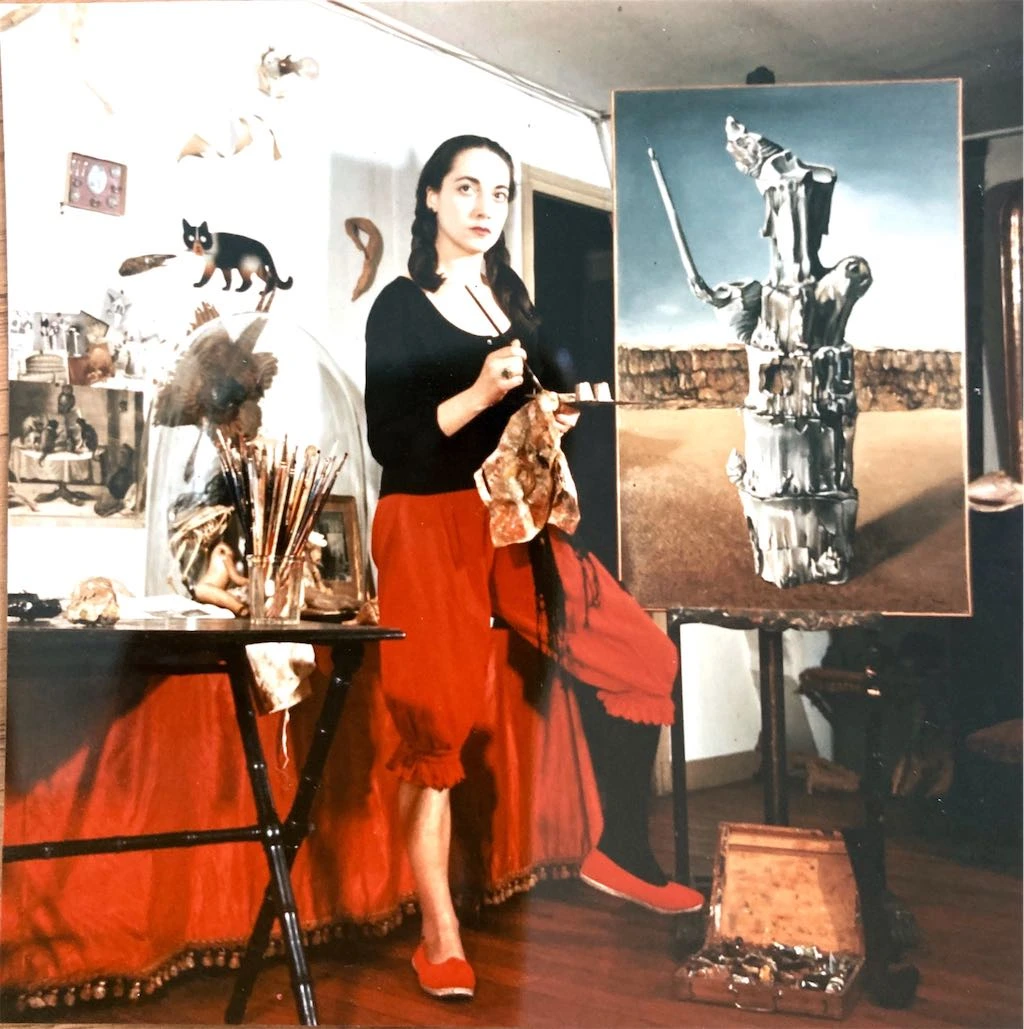
2000
She dies of cancer in Paris. The following year, Vivre en herbe, a fictionalized account of her childhood, is published.